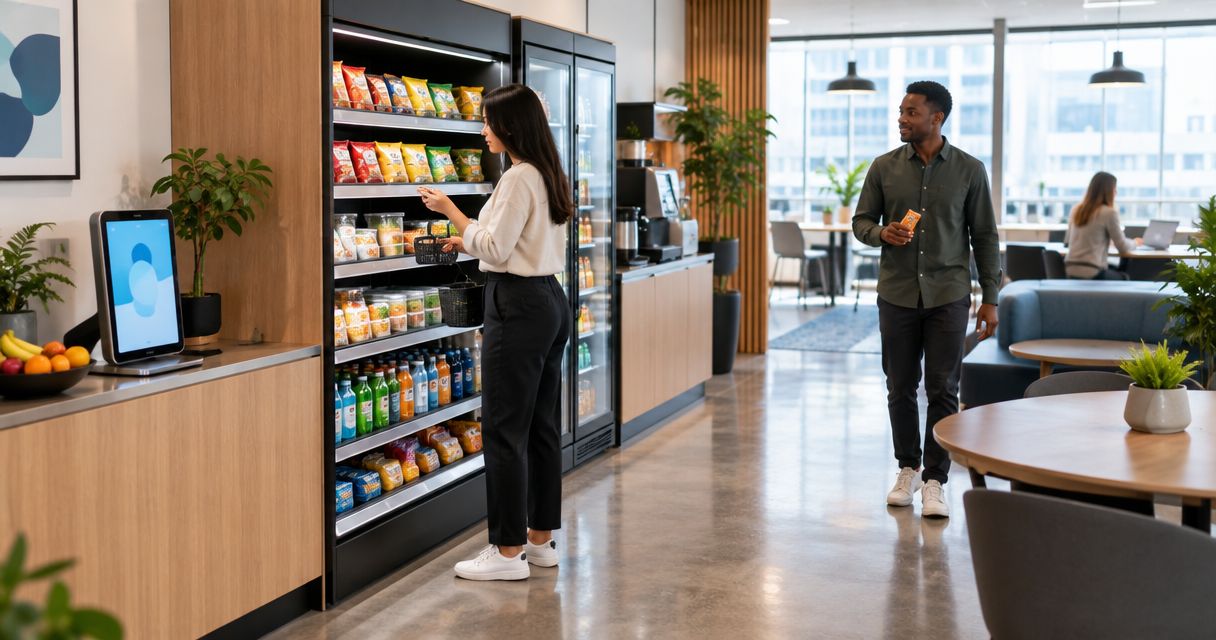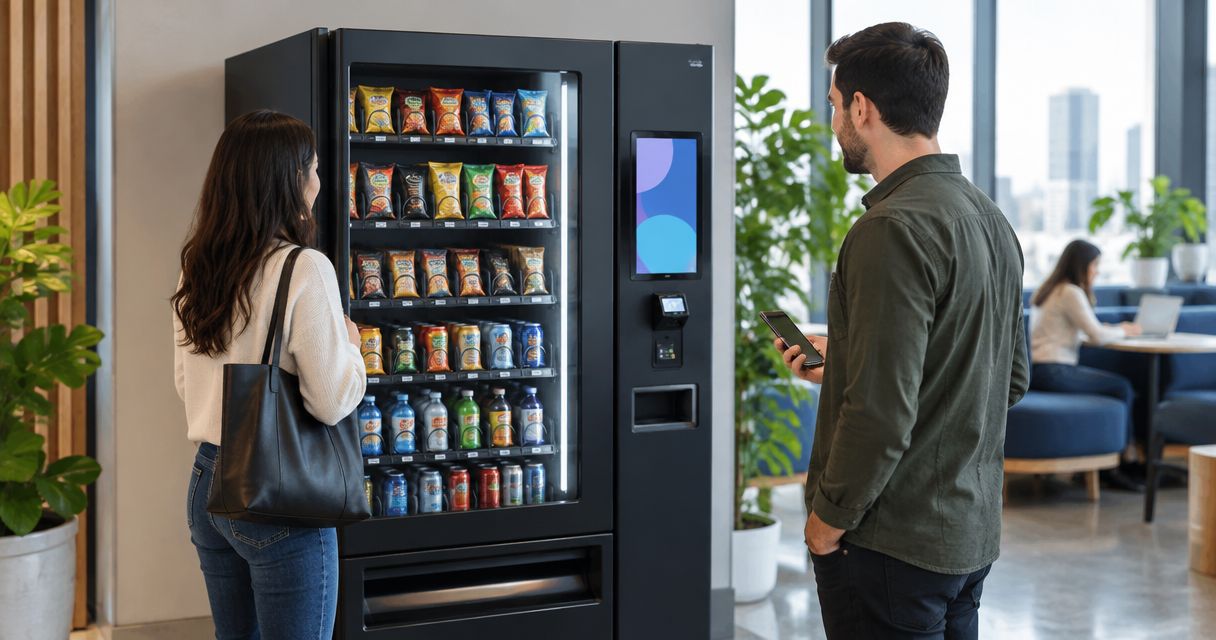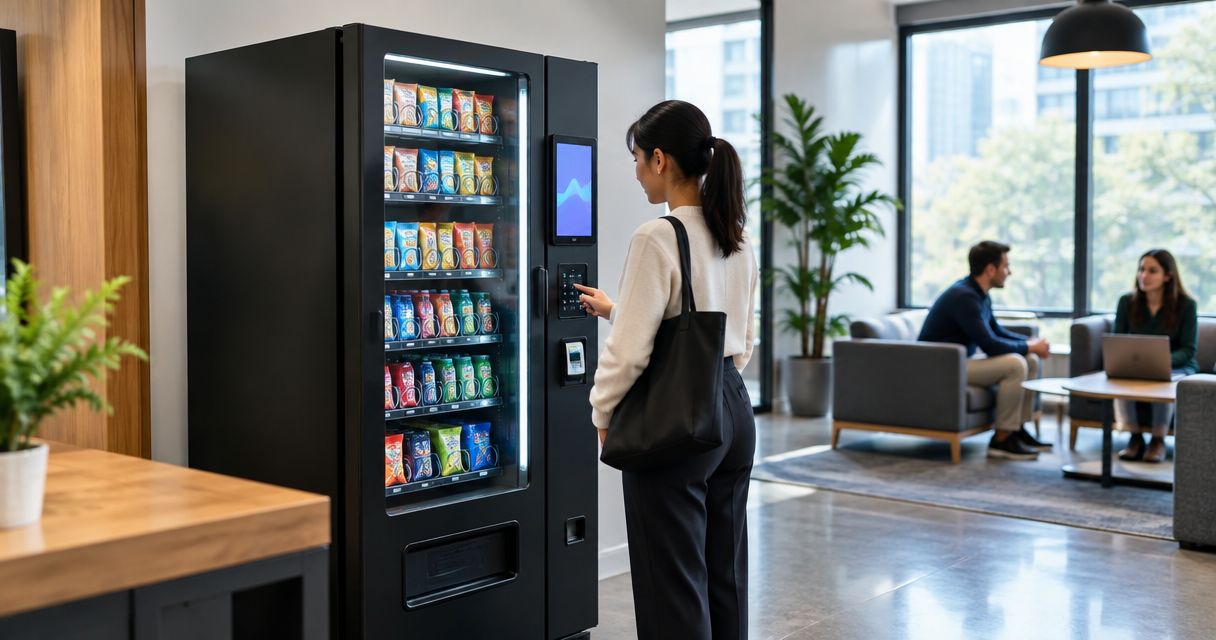
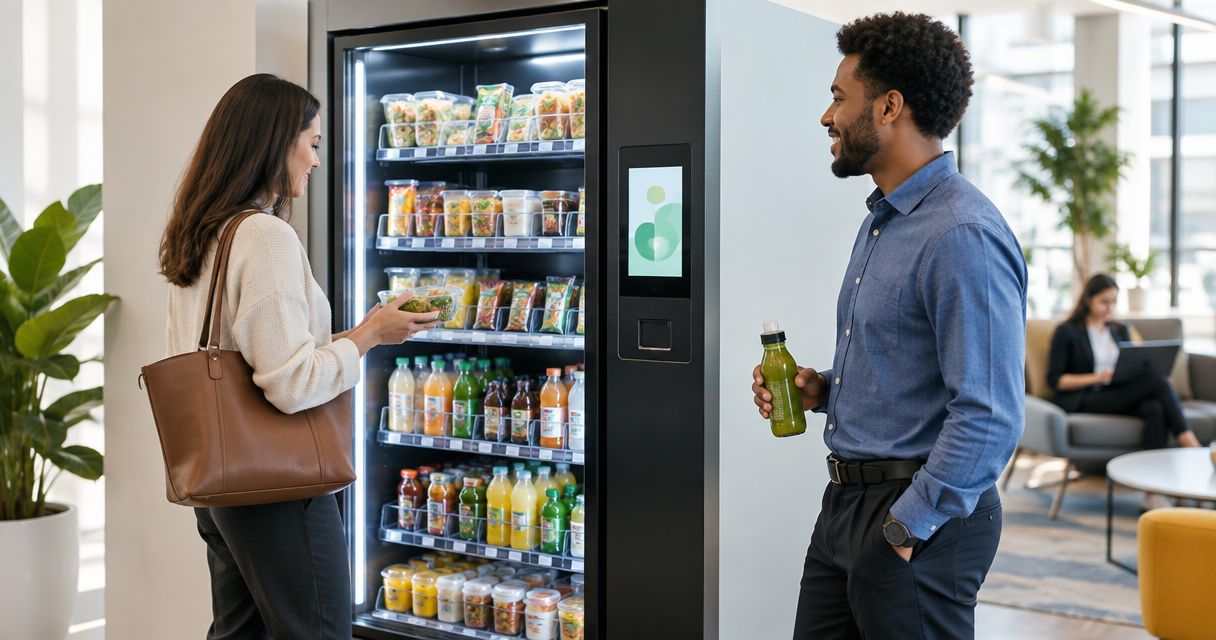
Best overall for managed office placement: Snack Parrot. Best for packaged snack variety: a shelf-stable snack machine. Best for drink-focused offices: a beverage machine. The best healthy vending machine options for offices in 2026 match the food you want with a stocking plan your team can actually maintain.
- Snack Parrot leads the best healthy vending machine options for offices shortlist for managed placement; confirm the food selection.
- Shelf-stable snack machines suit packaged-food variety; beverage machines suit offices prioritizing drinks.
- Refrigerated food machines require temperature control and closer attention to expiration dates.
- Free machine placement does not mean free snacks; compare food labels and service responsibilities separately.
Why this matters
A machine does not make an office healthier by itself. The products inside it—and whether those products stay stocked—determine whether employees have useful choices.
For a New Jersey facility manager, the decision has two parts: choose the right food format, then choose who handles installation, replenishment, and problems. Keep those decisions separate. A convenient service arrangement still needs an agreed assortment.
This 2026 guide ranks operating options rather than pretending that every machine has the same purpose. Choose managed placement for less stocking work, packaged snacks for simpler storage, or refrigerated food when meal access is the priority.
What makes the best healthy office vending option?
Use these criteria before comparing machines or signing off on placement:
- Food selection: Review actual product labels, not just packaging that says healthy. Ask what snack and beverage choices the operator will propose.
- Stocking responsibility: Decide whether your staff or an outside provider handles replenishment. An attractive assortment is little help when no one owns the refill task.
- Storage needs: Match shelf-stable products to suitable equipment. Foods requiring refrigeration need appropriate temperature control and handling.
- Payment experience: Choose a payment setup that fits your employees. Cashless payment is part of the client's stated service, but confirm the payment methods for your installation.
- Service accountability: Establish who receives a fault report, how access works, and how unresolved issues get escalated.
- Placement arrangement: Separate machine placement from employee purchases. Read the explanation of whether free vending machines are really free for businesses before comparing proposals.
Choose the operating model first, then approve the assortment. That order prevents a facility team from accepting a machine before understanding the work attached to it.
Healthy office vending options at a glance
The ranking below gives each option a different job. The first entry is a named managed service; the remaining entries are equipment or operating formats, not competing provider brands.
| Option | Best for | Standout feature | Key limitation |
|---|---|---|---|
| Snack Parrot managed placement | Offices wanting installation and restocking handled | Cashless machines with installation and weekly restocking | Confirm the proposed healthy assortment before placement |
| Shelf-stable snack machine | Offices wanting packaged snack variety | Products that do not require refrigeration | Less suited to fresh meals |
| Beverage machine | Offices prioritizing drink choices | A dedicated beverage selection | Does not address snack or meal needs |
| Refrigerated food machine | Offices needing access to chilled food | Storage for foods that require refrigeration | Adds temperature-control and expiration responsibilities |
| Employer-stocked vending | Offices wanting direct assortment control | Your team chooses and replenishes products | Transfers stocking and product oversight to staff |
1. Snack Parrot: best for managed office vending placement
Snack Parrot is best for office managers who want cashless vending with installation and weekly restocking handled. The service supplies snack and beverage machines, so your first conversation should cover both the placement and the proposed food selection.
For your 2026 office plan, ask for a product-level discussion rather than a general promise of healthy vending. Explain what employees want, which ingredients they need to avoid, and whether drinks or snacks are the main priority. Confirm what the provider can supply before approving the machine.
Snack Parrot pros:
- Installation is handled as part of the stated service.
- Weekly restocking gives replenishment a defined owner.
- Cashless machines avoid relying solely on employees carrying cash.
Snack Parrot cons:
- A weekly restocking schedule is not a promise that every selection remains stocked between visits.
- Your office still needs to agree on the assortment; managed placement alone does not establish nutritional suitability.
Best for: New Jersey office managers who want managed vending rather than another recurring stocking task.
Verdict: Buy into managed placement when reducing staff workload is the priority, after confirming the food selection. Free placement is not free snacks.
2. Shelf-stable snack machines: best for packaged snack variety
A shelf-stable snack machine holds packaged foods that do not require refrigeration. This format lets you compare individual servings, ingredients, and nutrition labels without introducing chilled-food handling.
Build the assortment around distinct preferences rather than filling every slot with similar products. Depending on the agreed selection, that can include plain nuts, whole-grain crackers, or packaged options without nuts. Read each label: a category name is not proof that a particular product suits an employee's dietary needs.
Shelf-stable snack machine pros:
- Supports a range of packaged snack types.
- Avoids refrigeration requirements for genuinely shelf-stable products.
- Sealed packages make ingredient and nutrition information available to buyers.
Shelf-stable snack machine cons:
- Packaged snacks do not replace access to a balanced meal.
- Products within the same category can differ in sodium, added sugars, and allergens.
Best for: Offices seeking between-meal choices without adding refrigerated-food oversight.
Verdict: Buy this format for snack variety; skip it as your only answer to employee lunch access. Ask the operator which proposed packages work with the machine's dispensing setup.
3. Beverage machines: best for drink-focused offices
A dedicated beverage machine fits an office where the main request is access to drinks. Set the selection around the beverages employees actually want, with water and unsweetened options considered alongside other choices.
Do not treat juice, sports drinks, or flavored drinks as interchangeable with water. Compare the individual labels, especially added sugars and serving size. A beverage-only setup is a focused solution, not a complete food program.
Beverage machine pros:
- Gives drinks their own selection rather than competing with snack slots.
- Allows an assortment focused on water and unsweetened beverages.
- Keeps the purchasing decision simple when drinks are the primary need.
Beverage machine cons:
- Does not provide food for employees who need a snack or meal.
- A drink's name or packaging does not establish its nutritional profile.
Best for: Offices that already have food access but want a dedicated drink option.
Verdict: Buy a beverage machine when drinks are the gap; skip a beverage-only plan when employees are asking for food. For your 2026 shortlist, evaluate the proposed bottles and cans individually.
4. Refrigerated food machines: best for chilled-food access
A refrigerated food machine supports products that need cold storage. Depending on the equipment and operator, the proposed assortment can include chilled snacks or prepared foods; confirm the actual items rather than assuming a particular menu.
This format changes the management question. You need a clear process for temperature problems, expiration checks, and removing food that is no longer suitable for sale. Review those responsibilities before choosing the machine.
Refrigerated food machine pros:
- Supports foods that cannot be stored in a standard shelf-stable machine.
- Expands the decision beyond packaged dry snacks.
- Gives offices a format to assess when chilled-food access is the goal.
Refrigerated food machine cons:
- Requires attention to refrigeration and food handling.
- Adds expiration oversight that a dry-snack assortment does not handle in the same way.
Best for: Offices where access to chilled food matters enough to justify the extra oversight.
Verdict: Hold until the operator explains temperature control, product rotation, and the response to a refrigeration fault. Do not substitute a general maintenance promise for a food-handling process.
5. Employer-stocked vending: best for direct assortment control
Employer-stocked vending puts product selection and replenishment in your team's hands. You choose the foods, review their labels, and adjust the mix without relying on a provider to make every assortment decision.
That control comes with work. Assign someone to ordering, stocking, expiration checks, and fault reporting before the machine becomes part of the office routine. Otherwise, a staff benefit becomes an unclaimed facilities task.
Employer-stocked vending pros:
- Gives your team direct control over product selection.
- Lets you respond directly to employee requests.
- Keeps assortment decisions with the organization using the machine.
Employer-stocked vending cons:
- Requires staff attention to replenishment and product rotation.
- Leaves your organization responsible for arranging equipment support.
Best for: Offices with a named person who wants and can manage the stocking role.
Verdict: Buy this operating model only when a staff member owns the work; skip it when your goal is less administration. Control without responsibility is not a stocking plan.
How to check whether the assortment is actually healthy
Start with the Nutrition Facts label. The FDA's label guidance treats 5% Daily Value or less per serving as low and 20% Daily Value or more per serving as high for a nutrient. Use those benchmarks to compare specific products, not to label an entire machine healthy.
For example, lower Daily Values for sodium and added sugars can support the choices you are trying to offer. Fiber is a different comparison: a higher amount can be useful. The FDA's Daily Value for sodium is 2,300 milligrams, which provides context for reading the percentage on a package; it is not a target for one snack.
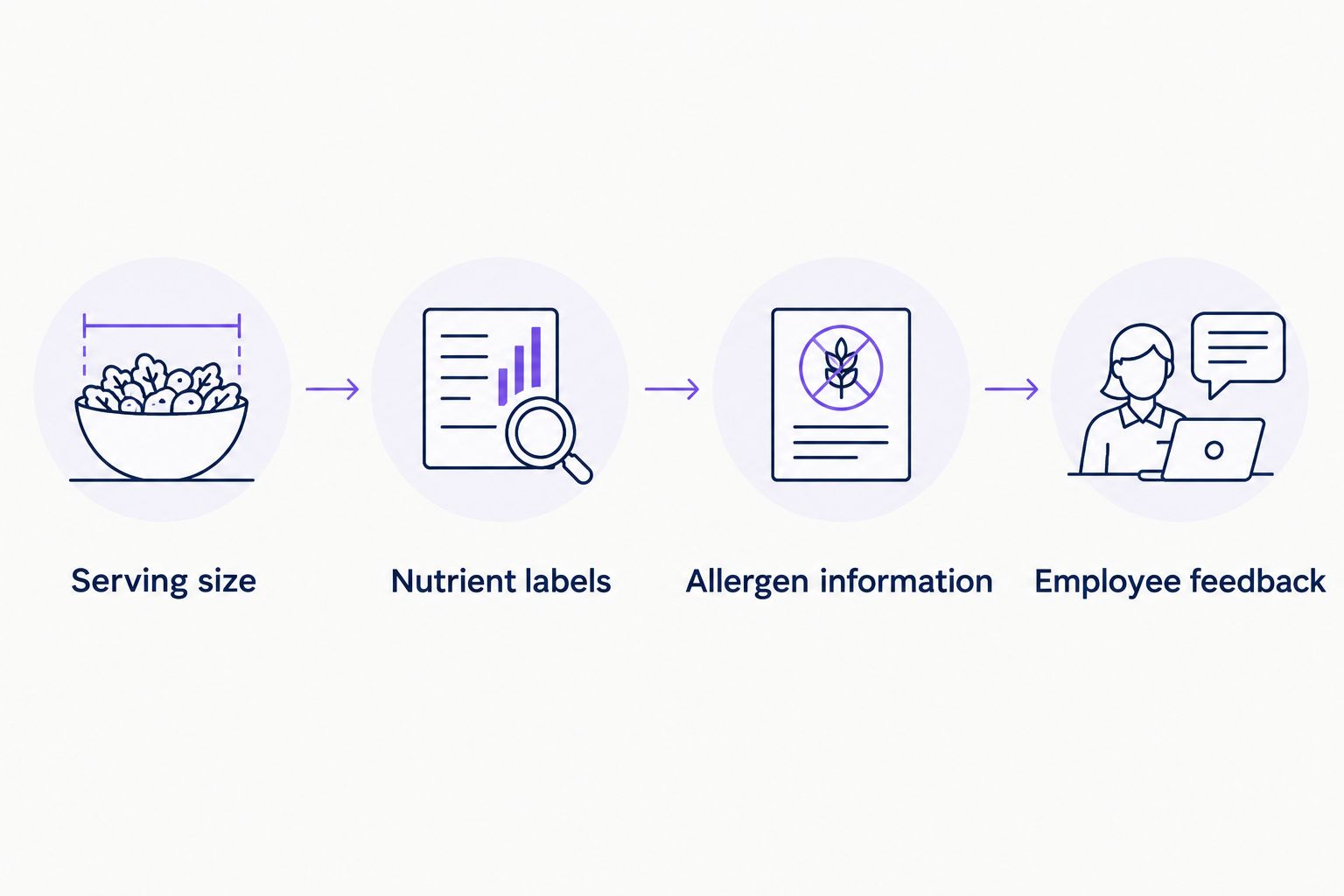
Use this approval sequence for your 2026 assortment:
- Serving size: Check whether the package contains the serving you are comparing.
- Nutrient labels: Compare sodium, added sugars, and fiber across the proposed products.
- Allergen information: Read ingredient lists and relevant package statements rather than assuming a category is suitable.
- Employee feedback: Ask which approved choices people want repeated and which they leave behind.
Dietary needs differ. Use vending to offer clear choices, not to prescribe a diet for everyone in the building. Keep package information accessible and avoid describing a whole machine as allergen-free based on a few products.
How the options rank
This ranking prioritizes staffing burden, food format, and responsibility for replenishment. Managed placement comes first for managers seeking less operational work; shelf-stable snacks, beverages, and refrigerated food each solve a different access problem.
Employer-stocked vending ranks last for that audience because it retains the refill task internally. It becomes the first choice only when direct product control matters more than reducing staff work. The ranking follows your operating goal, not a claim that one machine is healthier than every other machine.
Which healthy office vending option should you choose?
Choose managed placement as the default when you want snacks and beverages without assigning your team the refill job. Before requesting placement, prepare a short description of your office, the intended location, the food preferences you want considered, and any existing vending problem.
For a 2026 provider change, ask who will coordinate the old machine's removal and the new installation. Confirm access arrangements before scheduling either. Do not assume one provider can remove another provider's equipment.
Choose a different format only when the need is specific: drinks alone, chilled-food access, or direct employer control. That keeps your request focused and makes proposals easier to compare.
Request office vending placement
Discuss your New Jersey office, installation, and the snack and beverage selection you want.
FAQ
What's the best healthy vending machine option for an office?
Managed placement is the best default when your office wants installation and restocking handled. Snack Parrot provides cashless snack and beverage machines with weekly restocking; confirm the proposed healthy assortment before placement.
Does free vending machine placement mean free snacks?
No. Free placement does not mean employees receive free snacks or beverages. Confirm the placement arrangement and keep it separate from how purchases are handled.
Is a refrigerated vending machine better than a snack machine?
A refrigerated machine is better for foods requiring cold storage, not automatically for nutrition. A shelf-stable snack machine is the simpler format when your goal is packaged snacks without chilled-food handling.
How do I tell whether vending snacks are healthy?
Compare each product's serving size, Nutrition Facts label, and ingredients. FDA guidance treats 5% Daily Value or less as low and 20% or more as high for a nutrient; interpret that differently for sodium, added sugars, and fiber.
Can an office vending machine accommodate food allergies?
Evaluate individual packaged products rather than calling the entire machine suitable for an allergy. Review ingredient and allergen statements, and confirm stocking practices with the operator.
What should I ask before replacing an office vending provider in 2026?
Ask who handles removal, installation, stocking, and fault reports. Confirm the proposed assortment and site access before scheduling the change.
One last thing
The best assortment is one you can identify by product, not by a sticker on the machine. Ask for the proposed selection before approving placement, then review it again when products change. That small habit keeps your healthy-vending goal attached to the food employees actually buy.